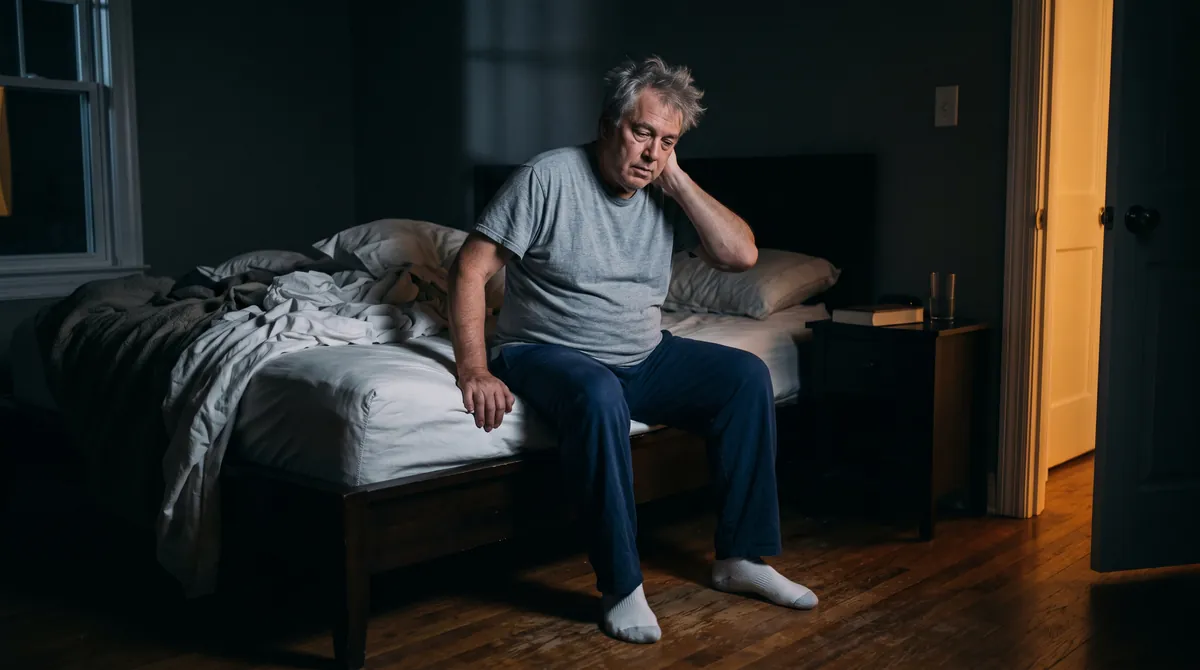
Getting Up at Night to Urinate: Common Reasons and When to See a Doctor
Waking up to use the bathroom is one of the most common complaints of men over 50. The prostate is only one of several reasons, and the fix depends on which one is yours.
Walking is the most underrated heart habit there is. How much the guidelines recommend, what the step-count research found for older adults, and how to make a walk count.
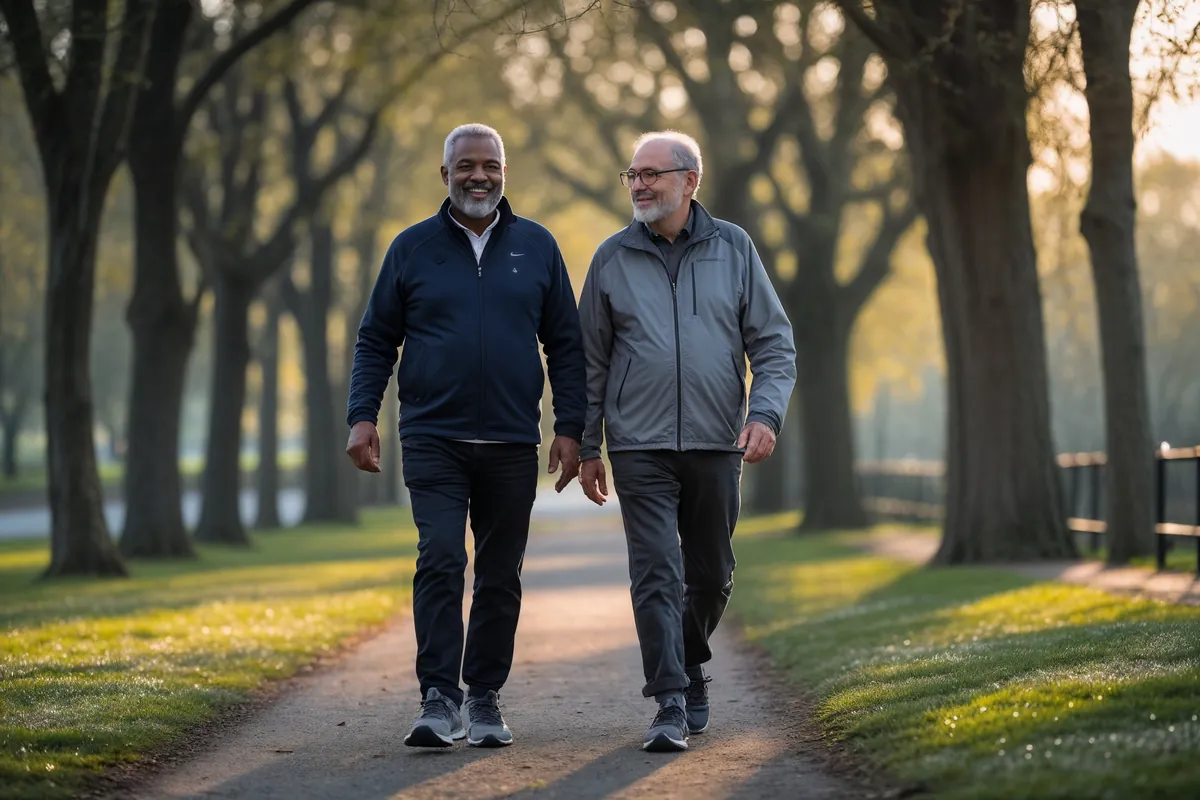
If walking came in a bottle, every doctor would prescribe it. It needs no equipment, no membership and no special skill, and it's one of the most studied habits in heart health. The questions men ask are practical: how much, how fast, and does a stroll to the mailbox count?
The Physical Activity Guidelines for Americans recommend at least 150 minutes a week of moderate-intensity activity, such as brisk walking, for adults. That's about 30 minutes, five days a week. It can be split into shorter bouts: three 10-minute walks count the same as one 30-minute walk. Add muscle-strengthening work at least two days a week (see The 4 Strength Moves Worth Doing After 50) and, for older adults, some balance training.
Moderate intensity is a pace where your breathing picks up and you feel warm, but you could still hold a conversation. A simple check is the talk test: if you can talk but couldn't comfortably sing, you're in the right zone. If you can't get a sentence out, ease off. If you could belt out a song, pick it up a little.
The famous 10,000 figure started as a marketing slogan, not a research finding. Better evidence now exists. A 2022 analysis in The Lancet Public Health pooled data from 15 studies covering about 47,000 adults:
These are associations from observational studies, and step counts are a rough measure. But the message is encouraging: you don't need marathon numbers, and moving from very few steps to a moderate amount brings the biggest change.
Regular moderate activity is associated with lower blood pressure, better cholesterol and blood sugar levels, easier weight management and a lower risk of heart disease. It also helps sleep and mood, which matter more to the heart than people tend to think.
Check in with your doctor first if you have heart disease, have been inactive for a long time, or get chest discomfort, unusual breathlessness, dizziness or palpitations when you exert yourself. Stop and seek medical help if you have chest pain that doesn't settle with rest.
One page to take to your next appointment: the screenings, numbers and questions worth raising after 50, with space to write your results. Made to print.
We'll email you a link to confirm your address; confirming opens the download. You'll also get our occasional newsletter on strength, sleep and men's health. Unsubscribe anytime. We never sell your email address. See our Privacy Policy.
Check your inbox. We sent a message to confirm your address. Click the button in it and the checklist opens right away. Not there in a few minutes? Look in your spam or promotions folder.
Waking up to use the bathroom is one of the most common complaints of men over 50. The prostate is only one of several reasons, and the fix depends on which one is yours.

Most men see a doctor when something hurts. A short list of the screenings, numbers and questions worth raising after 50, based on U.S. Preventive Services Task Force recommendations.

A walnut-sized gland most men ignore until it gets their attention. What it is, why it changes with age, and which changes are common versus worth a call to your doctor.